Can AI Experience Emotions?
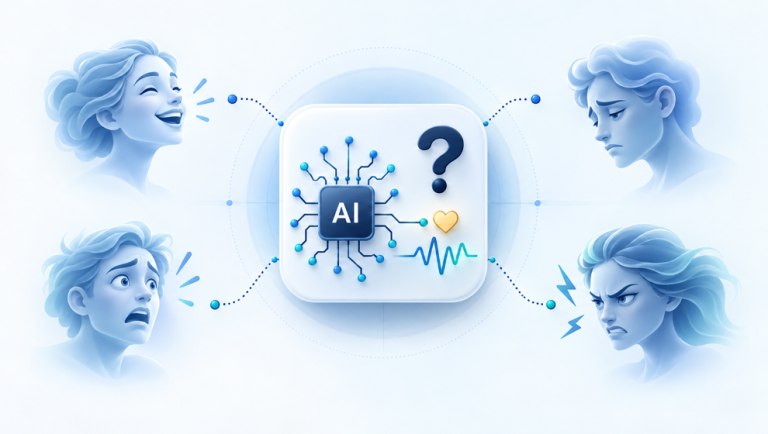
Can AI experience emotions? I explore the nature of human emotions, similar patterns in AI behavior, and the influence of the people and information used to train models.
Can AI experience emotions? I explore the nature of human emotions, similar patterns in AI behavior, and the influence of the people and information used to train models.
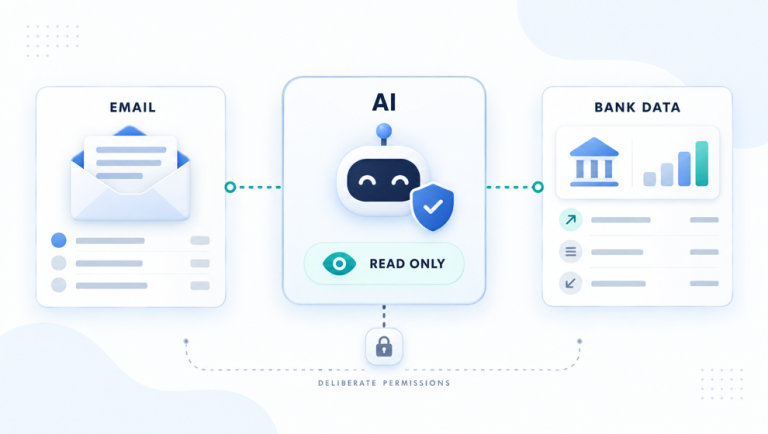
Should you let AI read your email and banking data? The answer depends on whom you trust, the permissions you grant, and whether your concern is privacy, model training, or the security of your money.
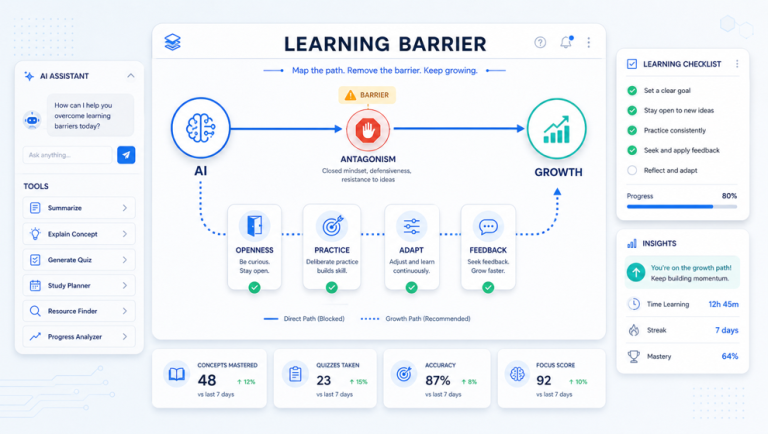
AI adoption is not only a technical question. For many people, the real barrier is antagonism: the emotional refusal to look at a new reality because it does not fit the worldview they already have.
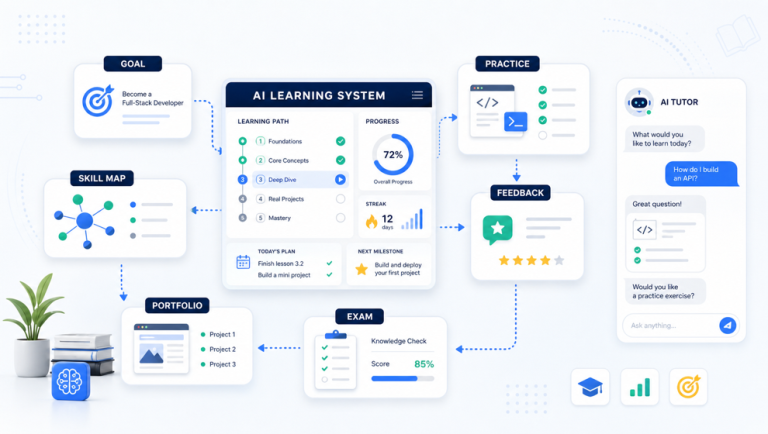
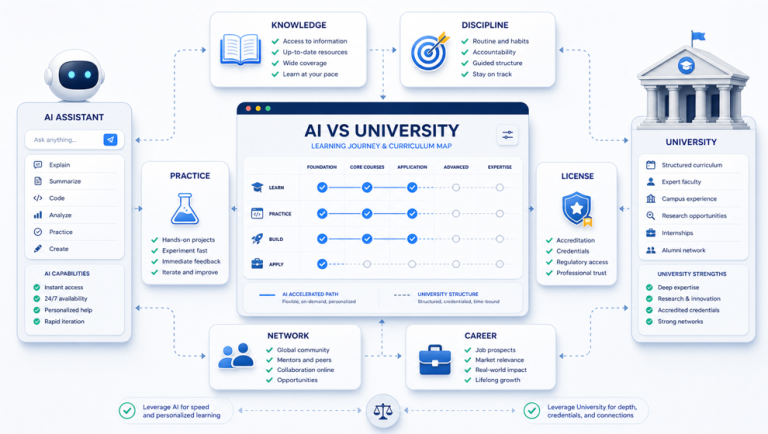
AI makes self-directed learning more powerful, but not easier in the naive sense. It removes friction around access to knowledge, while making discipline, structure, practice, and feedback even more important.
AI will not replace universities everywhere, but it will put serious pressure on programs whose main value is access to information rather than discipline, practice, credentials, networks, or licensing.
Third-party AI orchestration is useful for one-way pipelines, but software development depends on a tight feedback loop: build, review, correct, and continue from the exact context.
AI “hallucinations” are often not magic failures of the model, but failures of context, instructions, and feedback that leave too many possible paths open.
AI can accelerate our work dramatically, but only if we develop the personal discipline to organize information, maintain context, and turn output into useful systems.
Agents need a clear way to ask for missing context, not just a larger knowledge base.
Here are a few more practical recommendations for working with a personal knowledge base in AI. The approach below solves two recurring problems. First, it makes…